

Table of Contents
How Job Vacancies Are Advertised in SA 2026
Understanding how job vacancies are advertised in SA 2026 is crucial for anyone actively seeking employment or planning their career. The job market in South Africa has evolved significantly, with digital platforms, government portals, and corporate websites now playing a central role in how opportunities are shared. This comprehensive guide explains the various methods, best practices for applying, and tips to ensure you do not miss out on job openings in 2026.
Overview of How Job Vacancies Are Advertised in SA 2026
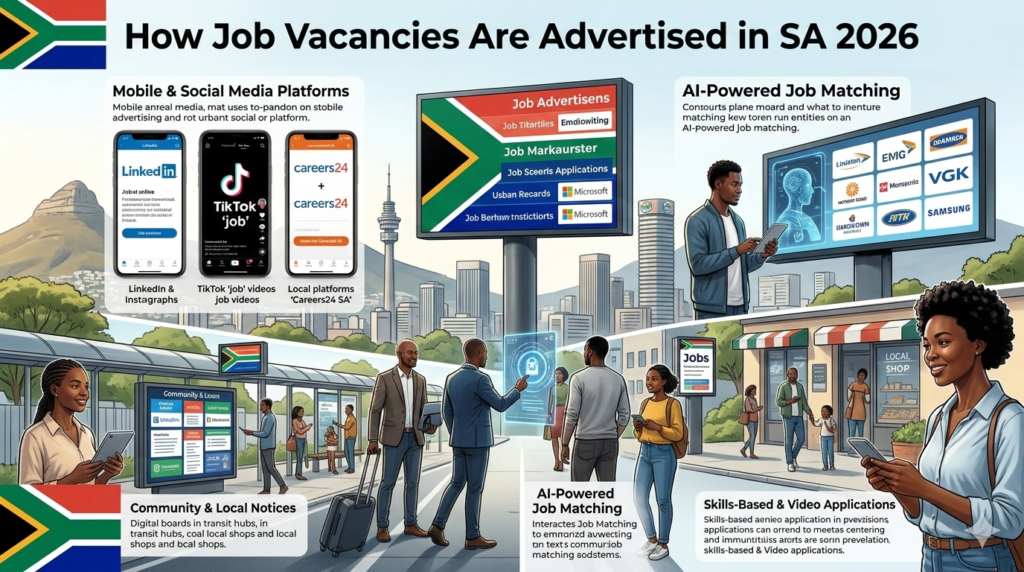
In 2026, job vacancies in South Africa are shared across multiple platforms to reach the widest pool of applicants. Employers aim to advertise vacancies efficiently and transparently. Understanding how job vacancies are advertised in SA 2026 helps job seekers identify where to focus their efforts. Some of the main methods include:
- Corporate websites – Companies often post vacancies directly on their own websites to attract applicants aligned with their culture and values.
- Government job portals – Public sector vacancies, including municipal and national positions, are shared on official government websites.
- Job boards and recruitment platforms – Portals like Careers24, PNet, and Indeed are popular channels for advertising vacancies.
- Social media – LinkedIn, Facebook, and Twitter are increasingly used to announce openings and reach passive candidates.
- Newspapers and print media – Although less common than before, some organisations still publish vacancies in print for local or specialized recruitment.
- Recruitment agencies – Companies partner with recruitment agencies to advertise positions and screen candidates.
Being familiar with how job vacancies are advertised in SA 2026 ensures that applicants can monitor the right channels and respond quickly.
Corporate Websites and Direct Applications
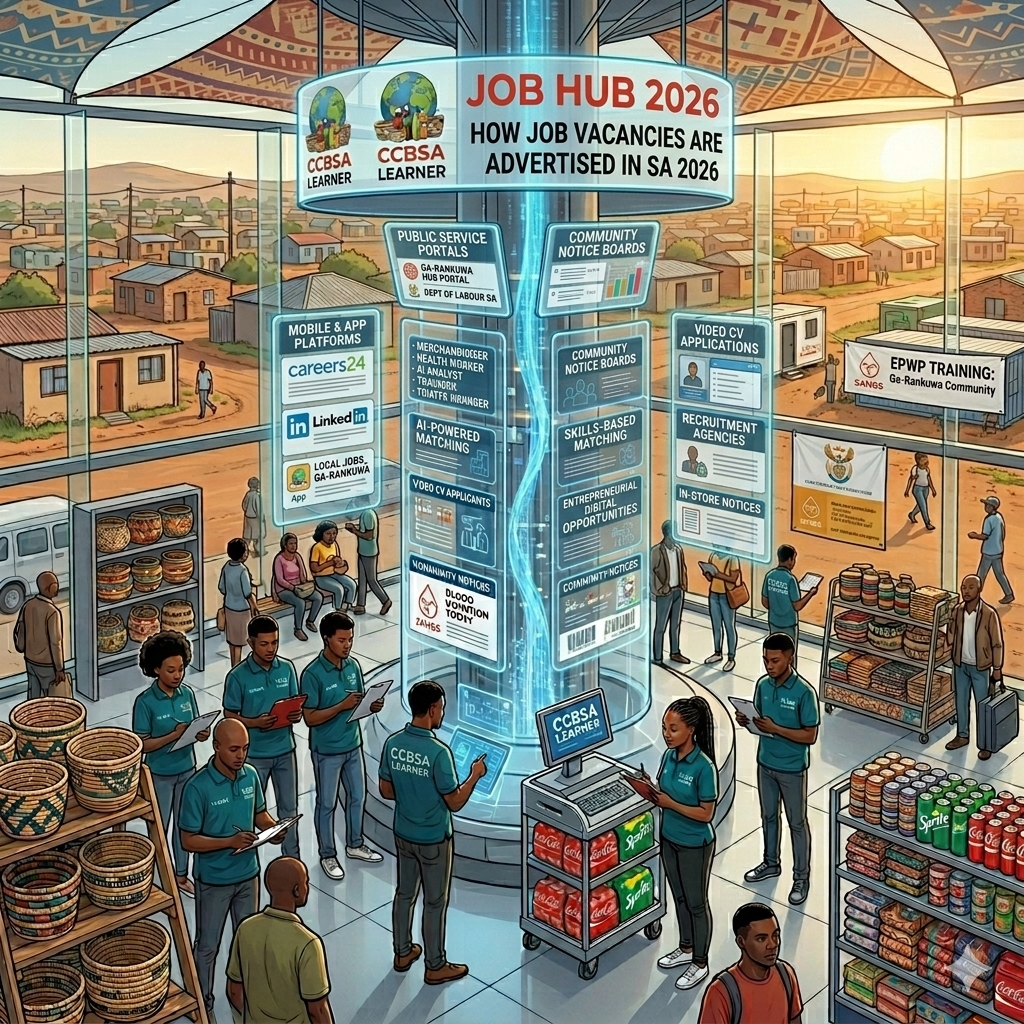
One of the most reliable ways to understand how job vacancies are advertised in SA 2026 is by checking company websites. Many organisations prefer direct applications as it allows them to:
- Present their brand and culture
- Receive applications in a structured format
- Streamline the recruitment process
For example, large South African corporations such as banks, FMCG companies, and government-affiliated entities maintain dedicated careers pages. These portals provide detailed job descriptions, minimum requirements, application methods, and closing dates. Applicants looking to understand how job vacancies are advertised in SA 2026 should regularly visit the career sections of companies they are interested in.
Government Job Portals
Government positions are often advertised on official portals such as:
- South African Government Careers Portal
- Provincial government websites
- Municipal job boards
For individuals seeking how job vacancies are advertised in SA 2026 within the public sector, these portals are the primary source. Positions range from administrative roles to technical and managerial posts. Government job advertisements typically include:
- Job title and reference number
- Location
- Minimum qualifications and experience
- Salary and benefits
- Application procedure and closing date
Monitoring these portals is crucial for candidates targeting public sector employment.
Online Job Boards and Recruitment Platforms
Popular online job boards and recruitment platforms have revolutionised how job vacancies are advertised in SA 2026. These platforms allow employers to:
- Reach a national and international audience
- Filter candidates based on qualifications, experience, and skills
- Advertise multiple positions simultaneously
Candidates can create profiles, upload resumes, and receive notifications for jobs matching their skills. Examples include:
- Careers24
- PNet
- Indeed
- Glassdoor
By actively engaging with these platforms, job seekers can stay updated on the latest opportunities and understand trends in how job vacancies are advertised in SA 2026.
Social Media and Networking
In 2026, social media has become a key channel in how job vacancies are advertised in SA 2026. Platforms like LinkedIn, Facebook, and Twitter allow companies to:
- Post vacancies in real-time
- Target specific demographics
- Engage with potential applicants directly
LinkedIn, in particular, is highly effective for professional networking and receiving alerts for new vacancies. Following company pages and joining relevant professional groups can improve visibility and chances of landing interviews.
Print Media and Local Newspapers
While online platforms dominate, some organisations still use print media to communicate job openings. Local newspapers or specialized magazines are sometimes used to advertise positions in industries like healthcare, education, and municipal services. Understanding how job vacancies are advertised in SA 2026 also involves recognising that print media may still be relevant in certain sectors, particularly for localised roles or niche positions.
Recruitment Agencies and Headhunting
Another effective method of how job vacancies are advertised in SA 2026 is through recruitment agencies. Agencies assist companies by:
- Advertising vacancies on behalf of employers
- Shortlisting and screening candidates
- Matching candidates with roles aligned to their skills
Recruitment agencies are particularly useful for high-demand sectors like IT, finance, and engineering. Candidates seeking guidance on how job vacancies are advertised in SA 2026 can register with reputable agencies to increase their chances of securing interviews.
Elements of a Typical Job Advertisement
Understanding how job vacancies are advertised in SA 2026 also involves recognising the structure of a typical advertisement. Most vacancies include the following elements:
- Job title and reference number – Clearly indicates the role and helps with tracking applications.
- Location – Specifies where the position is based.
- Job type – Permanent, contract, temporary, or learnership.
- Salary and benefits – Details remuneration packages or allowances.
- Minimum requirements – Educational qualifications, skills, experience, and competencies.
- Key responsibilities – Lists main tasks and duties of the role.
- Application procedure – Provides instructions on how to apply and submission methods.
- Closing date – Specifies the deadline for applications.
- Employment equity statement – Indicates preference for designated groups.
Candidates who understand these elements are better prepared to respond quickly to job advertisements.
Importance of Timely Application
Knowing how job vacancies are advertised in SA 2026 is only useful if job seekers act promptly. Most employers in South Africa receive hundreds of applications for each role. Applying early demonstrates interest and ensures your CV is considered before the closing date.
Some key tips include:
- Regularly checking official portals and corporate websites
- Setting up email alerts on job boards
- Following companies on social media
Being proactive enhances your chances of success in the competitive South African job market.

Employment Equity and Preference Policies
In South Africa, many employers adhere to Employment Equity legislation. Understanding how job vacancies are advertised in SA 2026 also involves recognising statements regarding equity and preference. Organisations often give priority to candidates from designated groups, which may include:
- Women
- Youth
- People with disabilities
- Previously disadvantaged groups
These policies are clearly stated in most job advertisements and should be considered when applying.
Learnerships and Internship Advertisements
How job vacancies are advertised in SA 2026 also encompasses opportunities for youth and entry-level applicants. Learnerships and internships are advertised with clear criteria:
- Target group: Usually unemployed youth or recent graduates
- Duration: Specified contract or programme length
- Qualification: NQF levels required
- Skills development: Training and mentorship offered
These advertisements are common on both corporate websites and government portals.
Tips for Responding to Job Advertisements
To effectively respond to how job vacancies are advertised in SA 2026, consider the following:
- Tailor your CV and cover letter – Align with job requirements.
- Provide accurate information – Ensure personal details, qualifications, and work experience are correct.
- Follow instructions – Submit documents in the format requested, including forms or certificates.
- Meet deadlines – Late submissions are often disqualified.
- Prepare for assessments – Some vacancies require psychometric tests or interviews.
Being meticulous enhances the likelihood of being shortlisted.
The Role of Technology in Job Advertisements
In 2026, technology plays a central role in how job vacancies are advertised in SA 2026. Automated applicant tracking systems (ATS) are used to:
- Sort applications
- Filter candidates based on keywords
- Schedule interviews
Candidates should ensure their CVs are ATS-friendly, especially when applying through online portals.
Benefits of Understanding How Jobs Are Advertised
Understanding how job vacancies are advertised in SA 2026 helps candidates:
- Identify the best platforms to search for jobs
- Submit applications correctly and on time
- Improve chances of being shortlisted
- Target positions that match their skills and experience
A strategic approach to job searching increases efficiency and reduces missed opportunities.
Conclusion
Knowing how job vacancies are advertised in SA 2026 is vital for job seekers. From corporate websites and government portals to social media, print media, and recruitment agencies, South African employers use multiple channels to reach potential candidates. By staying informed, applying promptly, and tailoring applications to meet job requirements, candidates can enhance their chances of success.
Whether you are seeking permanent employment, a learnership, or an internship, understanding how job vacancies are advertised in SA 2026 ensures that you remain competitive in the evolving South African job market.
I
Read about: What employers look for when filling vacancies
